

Wall Art for Interior Designers: A Trade & Styling Guide
Introduction: Wall Art for Interior Designers
Choosing wall art for interior designers, stylists, and home stagers requires more than simply finding a beautiful image. Scale, finish, framing, colour palette, and photography all influence how artwork supports a finished scheme. This practical guide from Atelier Lumin explores how to source considered fine art prints, framed artwork, and canvas pieces for calm, contemporary interiors.
Wall art adds depth and interest to any wall, transforming it from plain to polished and bringing life to a scheme. Displaying artwork allows clients to showcase their unique style and personality, making their space feel more personal and inviting.
What you will learn:
-
How to choose artwork by project type—residential, staging, show homes, and commercial
-
Format comparisons: fine art prints versus canvas versus framed options
-
Practical sizing rules to avoid common scale mistakes
-
How neutral, nature-inspired artwork supports professional schemes
A Trade and Styling Guide for Interior Projects
Atelier Lumin specialises in museum-quality fine art prints, framed artwork, canvas prints, and framed canvas pieces designed for sourcing wall art for interiors at trade level. Since 2020, the collection has shipped globally to interior designers, stylists, and property professionals seeking nature-inspired artwork for client projects.
The range includes soft coastal horizons, calm landscape photography, abstract serenity pieces, and black and white artwork suited to contemporary spaces. Sustainable wall art often utilises eco-friendly materials, such as recycled paper and non-toxic inks—Atelier Lumin uses archival inks and FSC-certified papers where possible, promoting a healthier indoor environment by avoiding harmful chemicals commonly found in traditional art supplies.
How this guide supports your work:
-
Practical advice for selecting fine art prints for interior designers
-
Frame and finish guidance matched to joinery and hardware
-
Trade support for live projects with fixed deadlines
-
Help building cohesive collections across multi-room schemes
Who This Guide Is For
This guide is for professional specifiers rather than casual home shoppers. Choosing sustainable wall art can reflect a commitment to environmental responsibility, influencing purchasing decisions towards brands that prioritise eco-friendly practices.
-
Interior designers sourcing art for interior designers working on residential interiors—living rooms, bedrooms, entrance halls, and open-plan spaces
-
Interior stylists creating room schemes for editorial shoots, brand imagery, and content projects needing art for stylists
-
Home stagers preparing properties with wall art for home staging that photographs well on listing platforms
-
Property developers furnishing show homes with cohesive, neutral art for show homes and marketing suites
-
Commercial project teams selecting artwork for commercial interiors such as clinics, boutique hotels, and studios
-
Creative agencies sourcing wall art for stylists in photography, video, and social campaigns
How Atelier Lumin Artwork Can Support a Scheme
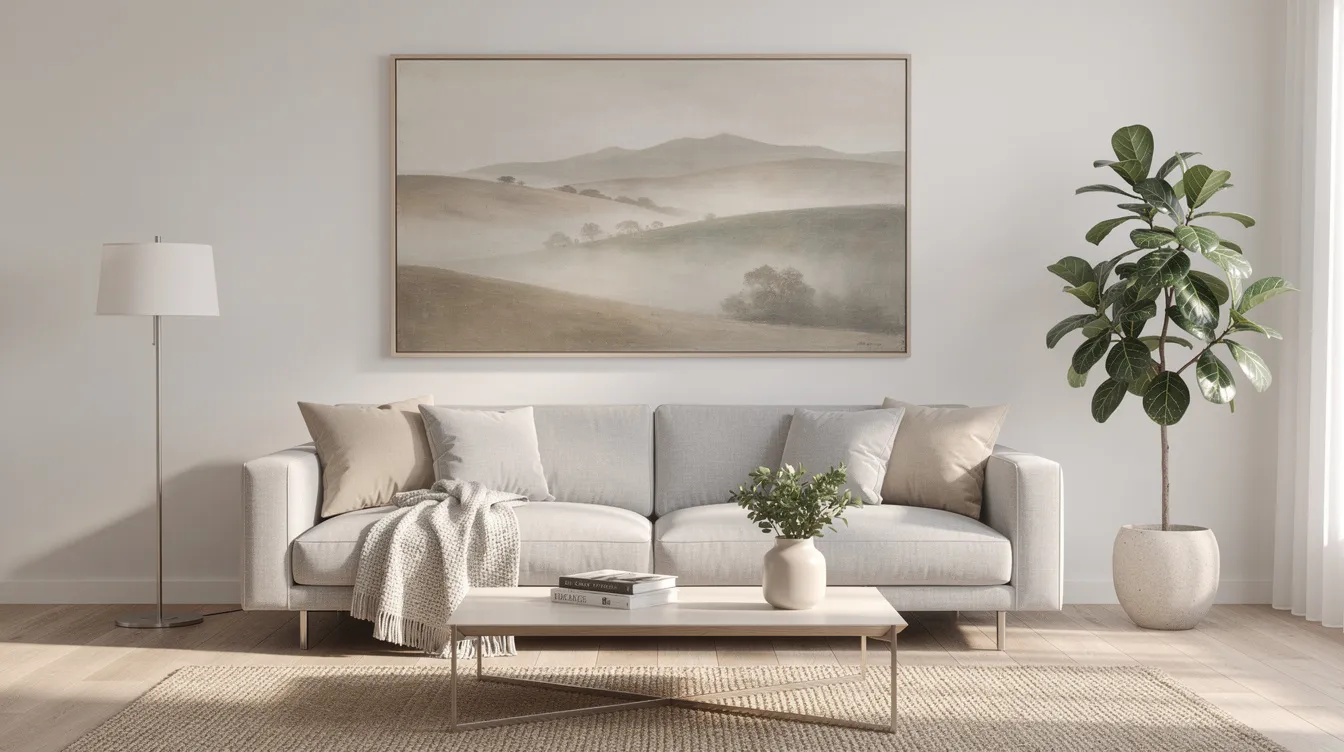
Artwork is not an afterthought—it structures how a room feels and photographs. A strategically placed piece of wall art can act as a focal point in a room, drawing attention and anchoring the overall design. Large-scale abstract art serves as a primary tool for anchoring open living areas and feature walls.
-
Creates mood: Misty Scottish landscapes add tranquility to bedrooms; sunlit coastal prints energise living rooms
-
Adds scale: Properly proportioned pieces balance furniture groupings over sofas, beds, and dining tables
-
Extends palette: Earth tones, muted greens, and warm neutrals complement existing colour schemes
-
Softens architecture: Organic compositions counterbalance glass, metal, and sharp geometry
-
Introduces texture: Art with physical depth, including heavy-textured paintings and canvas pieces, creates visual interest
-
Completes spaces: Ensures interiors feel “finished” for site photography and portfolio images
Interior styling wall art works equally well in residential reception areas and treatment rooms requiring wall art for interior styling.
Choosing Artwork by Project Type
Different projects demand different approaches to artwork selection.
-
Residential interiors: Choose pieces that feel personal yet versatile. Landscape art brings the beauty of the outdoors into homes, offering serenity and connection to nature. Minimalist zen art embraces simplicity and clean lines, fostering tranquility in bedrooms, and you can refine choices further by understanding fine art prints versus canvas prints.
-
Home staging: Prioritise broadly appealing wall art for home staging. Avoid polarising images—anime paintings inject vibrant energy but can alienate buyers. Use calm palettes that photograph well on Rightmove or Zillow.
-
Show homes: Create cohesive artwork stories with repeating frame finishes across the property. Large focal point pieces signal quality. Art for show homes should feel aspirational without overwhelming.
-
Commercial interiors: Select non-distracting artwork for commercial interiors—serene landscapes or abstract pieces for reception and waiting areas support professionalism with warmth, and contact Atelier Lumin directly for fine art print support on commercial briefs.
-
Photoshoots: Wall art for stylists should add rhythm and layers without overpowering hero products. Matte finishes reduce reflections under studio lights.
Available Formats for Trade and Styling Projects
Atelier Lumin offers multiple formats so you can match artwork to budget, scheme, and installation requirements.
-
Fine art prints: Unframed archival giclée on 230–310gsm museum-grade paper—ideal where custom framing is specified. Designers are focusing on tactile experiences, using art with visual depth in their selections.
-
Framed fine art prints: Ready-to-hang with fitted hardware, suitable for fast-turnaround projects
-
Canvas prints: Stretched canvas for texture and presence in larger open-plan spaces
-
Framed canvas prints: Canvas within floating frames for architectural structure—effective in reception areas
All fine art prints for trade projects use archival inks and sustainably sourced materials where possible.
Choosing the Right Size and Scale
Scale is where otherwise strong interiors often fall short, particularly in photography. Oversized art pieces are recommended for creating dramatic focal points.
-
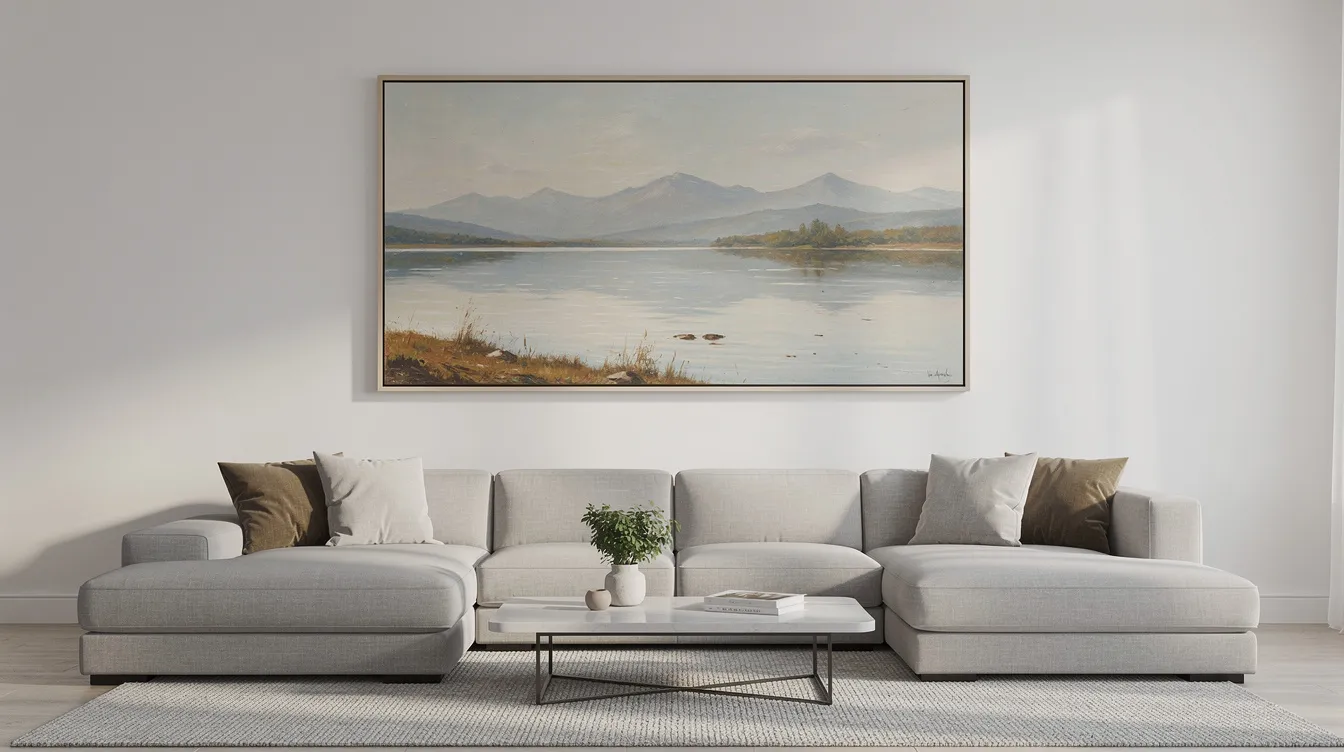
Large wall art for interiors: Artwork above sofas or beds should be 60–75% of furniture width (e.g., 120–150cm over a 200cm sofa), aligning with best practice on choosing the right size art print for a room
-
Pairs and diptychs: Use over sideboards or in dining rooms for symmetry; maintain 5–7cm gaps
-
Triptychs: Ideal for long walls where single pieces feel too small, especially when using three-panel triptych wall art
-
Gallery wall prints for designers: Map layouts with painter’s tape before drilling; a calm, considered gallery wall is an effective way to create a strong focal point by grouping pieces together
-
Small prints: A4–A3 sizes suit hallways and shelves; group to avoid a “postage stamp” effect
-
Panoramic artwork: Reinforce horizontal lines above king beds or long consoles, or combine with balanced square wall art for contrast
When arranging art, consider using a symmetrical arrangement for a classic look, ensuring precision with a spirit level. To create visually appealing displays, hang artwork at eye level—typically around 57 inches from centre, adjusting based on surrounding furniture.
Tiny art above a large sofa makes the piece feel lost, especially in photography.
Choosing Frames and Finishes
Frame choices quietly shift artwork from casual to elevated. Match frames to joinery and hardware in the scheme.
-
Oak frames: Warm, natural choice for Scandinavian and Japandi interiors
-
Walnut frames: Add depth in richer schemes with darker joinery or leather upholstery
-
Black frames: Offer contrast and structure; black and white texture art adds drama and sophistication through contrasting finishes
-
White frames: Keep things light and minimal for coastal interiors
-
Unframed prints: Best where bespoke framing is specified locally
-
Canvas vs framed canvas: Canvas for relaxed texture; framed canvas for architectural containment
-
Framed mirrors combined with art can increase light in smaller spaces—consider mixed arrangements
Neutral wall art for interiors works across these finishes without competing.
Using Neutral and Nature-Inspired Artwork
Atelier Lumin’s focus on neutral and nature-inspired artwork serves professional interiors particularly well. Wabi Sabi art celebrates imperfection and natural flaws, often featuring muted colours and rough textures that add rustic elegance. The use of deep, moody tones and Wabi-Sabi aesthetics is a current trend worth noting.
-
Soft landscapes: Misty hills and meadows introduce depth and calm without dominating
-
Coastal horizons: Soft blues, greys, and sand tones suit light, modern apartments
-
Woodland prints: Atmospheric forest and woodland tree lines add vertical rhythm to corridors
-
Abstract neutral artwork: Layered textures in stone, taupe, and charcoal complement contemporary furniture, particularly when choosing modern abstract wall art prints
-
Black and white pieces: Bring clarity and structure into softer schemes
-
Botanical details: Suit bathrooms, dressing rooms, and wellness spaces
While urbanscape art captures urban energy effectively, nature-inspired art prints for interior designers typically offer broader appeal for residential projects and rentals where tastes vary.
Creating Cohesive Collections Across a Project
Multi-room projects benefit from considered artwork planning, especially in larger homes completed during 2024–2026.
-
Repeat 1–2 frame finishes across connected spaces to unify circulation routes
-
Keep colour palettes related rather than identical—recycle key tones while varying subjects
-
Use large anchor pieces in living rooms and master bedrooms; support with smaller hallway prints
-
Mix landscapes, coastal scenes, and abstracts while keeping mood consistent
-
Plan gallery wall prints for designers following visitor routes through show homes
-
Eclectic gallery walls that mix mediums like ceramics and vintage mirrors are popular for creating personal looks
Sourcing wall art for interiors early prevents last-minute compromises.
Artwork for Photography, Listings and Styled Shoots
Artwork must work both in real life and on camera. Interior designers are moving away from flat decor in favour of art that offers physical depth, historical storytelling, and immersive scale.
-
Avoid undersized pieces in key camera angles—ensure legibility in wide shots (16–24mm lenses)
-
Use artwork to frame hero furniture and guide viewer attention
-
Prefer calm palettes for art for home staging so soft furnishings remain the focus
-
Add black and white artwork where extra contrast prevents flat-looking images
-
Avoid overly personal or text-heavy images in staging projects
-
Designers are incorporating art into unusual surfaces and employing decorative displays for added interest
Wall art for stylists should support rather than steal attention from products.
Common Trade and Styling Mistakes to Avoid
Even experienced professionals encounter these recurring issues with wall art for interior designers.
-
Choosing artwork last-minute, limiting size and format options
-
Specifying pieces too small for wall or furniture scale
-
Ignoring frame colour clashes with door hardware or joinery
-
Mixing too many unrelated styles within one sightline
-
Selecting art purely by colour without considering mood
-
Overcrowding gallery walls without breathing room
-
Using polarising images in staging projects
-
Forgetting glass reflections affect interior styling wall art in photography
Trade and Styling Project Checklist
Use this checklist when sourcing wall art for interiors on deadline.
-
Define project type and room purpose
-
Confirm desired mood and atmosphere
-
Lock colour palette and material finishes
-
Shortlist artwork subjects (landscape, coastal, abstract, botanical, black and white)
-
Choose format: fine art print, framed print, canvas, or framed canvas
-
Check sizes against furniture widths and wall dimensions
-
Select consistent frame finishes per zone
-
Plan gallery wall layouts including spacing and hanging heights
-
Consider how each piece photographs
-
Allow for lead times and installation dates
-
Contact Atelier Lumin for sizing, pairings, and finish recommendations
Final Thoughts: Considered Artwork for Professional Interiors
Carefully chosen artwork shapes how interiors feel, function, and photograph. The right piece becomes a lasting focal point that quietly elevates the wider scheme without overwhelming it. Atelier Lumin offers fine art prints, framed artwork, canvas prints, and framed canvas with neutral, nature-inspired, and abstract collections specifically suited to professional projects.
With archival materials, sustainable sourcing, and ready-to-hang options, trade wall art integrates seamlessly into residential and commercial work. Whether anchoring a gallery wall or providing a single statement piece, wall art for interior designers remains one of the most effective tools for completing considered spaces.
Need Help Choosing Artwork for a Project?
Working on an interior design, styling, staging, or show home project? Get in touch and we will help you select suitable artwork, sizes, frames, and finishes for your brief.
-
Share mood boards, floor plans, or site photos for tailored recommendations
-
Receive guidance on building cohesive collections across multiple rooms
-
Integrate trade wall art early alongside furniture, lighting, and textiles
Contact Atelier Lumin to discuss how wall art for interior designers can support your next project.
