

How to Care for Fine Art Prints and Canvas Wall Art
This is a practical guide on how to care for fine art prints and canvas wall art at home, written by Atelier Lumin for design-conscious interiors. Whether you’ve just received a new piece or want to preserve artwork you’ve loved for years, a little thoughtful care makes all the difference.
At a glance — how to care for fine art prints:
- Handle by the edges with clean, dry hands or cotton gloves
- Avoid strong direct sunlight and high humidity
- Frame with acid-free materials and protective glazing where possible
- Dust frames and glazing only — never wipe the printed surface
- Store unframed prints flat in protective sleeves before framing
Fine art prints and giclée fine art prints are designed to reproduce colour, detail and tone with clarity and depth. Printed on high-quality matte fine art paper using pigment-based inks, they can remain beautiful for many years when handled carefully, framed thoughtfully and displayed away from strong direct sunlight, excess humidity and heat.
This guide covers unframed fine art prints, framed prints, canvas prints and framed canvas pieces, so you can scan straight to the format you own.
Why Fine Art Print Care Matters
Gallery-quality fine art prints are designed for long-term enjoyment, but simple fine art print care helps preserve colour, paper texture, and framing details over years. Prints are highly sensitive to fluctuating light, heat, and moisture — and caring for fine art prints requires a controlled environment and specific handling techniques to prevent fading, yellowing, or physical damage.
Archival fine art prints on cotton-based, acid-free paper with pigment inks can stay beautiful for decades when kept away from harsh light exposure, excessive heat, and rough handling. Pigment-based inks are preferred for fine art prints due to their longevity and lightfastness, often lasting over 100 years under normal indoor lighting conditions.
The main risks to understand:
-
Light damage causing gradual fade in colours
-
Moisture and humidity leading to warping, mould growth, or cockling
-
Temperature swings stressing paper fibres
-
Surface damage from touching, cleaning, or improper handling
This wall art care guide is part of Atelier Lumin’s commitment to helping customers keep their nature-inspired fine art and canvas prints looking calm and fresh.
How to Handle Fine Art Prints Safely
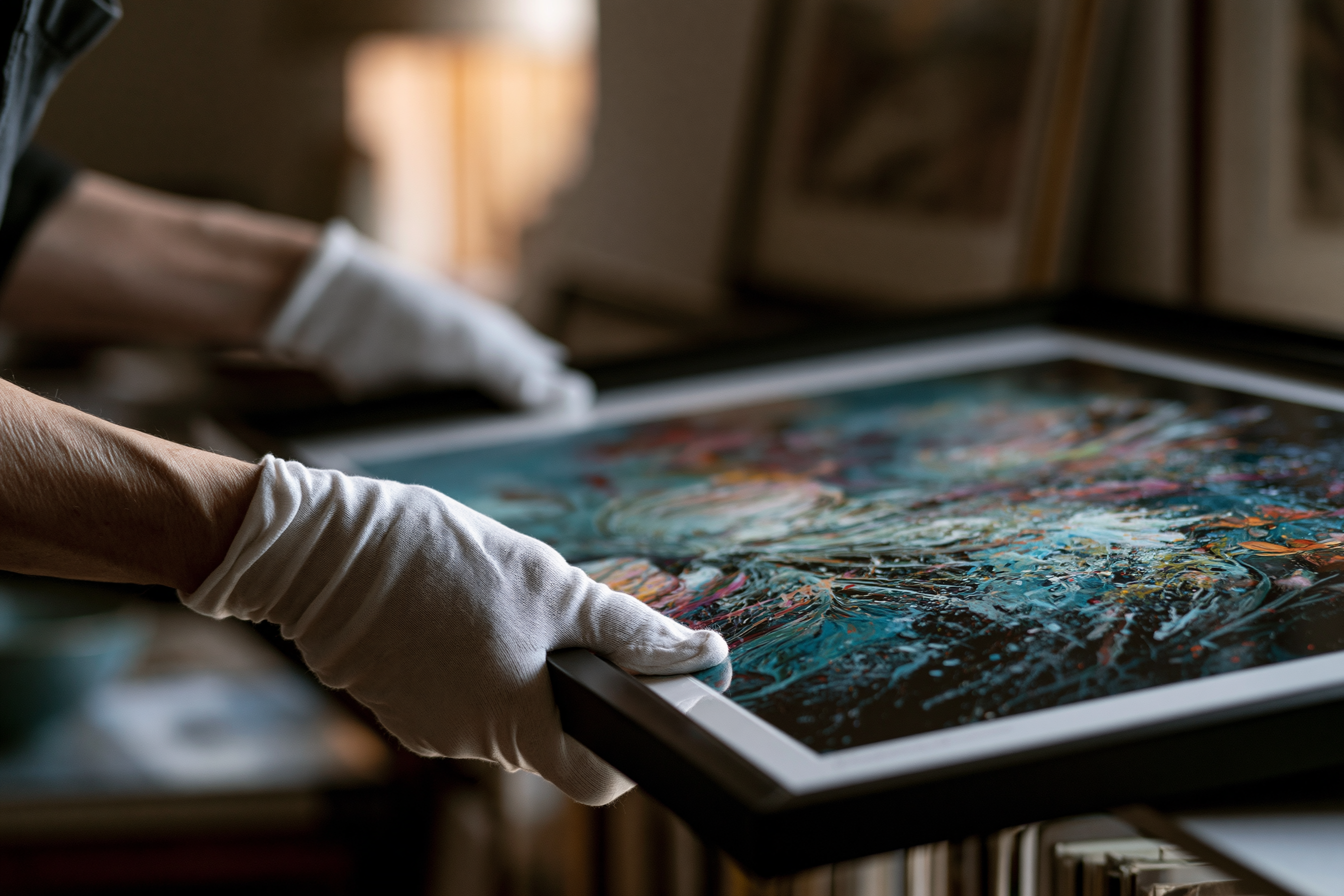
Correct handling is the first step in how to care for art prints. The oils and dirt from bare hands can permanently damage the delicate surface of a print, so thoughtful technique matters.
-
If possible, use clean cotton gloves. If handling with bare hands, make sure they are clean and dry, and only touch the edges.
-
Handle prints with two hands, fully supporting them to avoid creases or bending
-
Always hold by the edges rather than the printed area
-
Place the print on a large, clean, dry, non-textured surface when unrolling or inspecting — never on the floor near shoes, pets, or food
-
Avoid hand cream just before handling, as residue transfers easily to matte fine art paper
-
When unboxing, open shipping tubes or flat packs slowly, avoid sharp blades near the artwork, and keep the print in its protective sleeve until ready to frame
How to Unpack and Flatten Rolled Fine Art Prints
Atelier Lumin giclée fine art prints may arrive rolled in a tube, protected by tissue paper or a sleeve. This is safe for shipping but not ideal for long-term storage.
-
If a fine art print arrives rolled, it should be laid face down on a clean surface covered with tissue paper and weighted down gently to flatten it without causing damage
-
Keep the print in its protective sleeve while unrolling it onto a clean, flat surface
-
Place clean sheets of acid-free tissue on top and weigh the corners with large, flat books for 24–48 hours
-
For oversized prints that feel very tightly rolled, consider asking a professional framer to help flatten safely
A slight curve in the paper is normal at first and usually settles once the print is framed correctly.
How to Store Fine Art Prints Before Framing
If a fine art print will not be framed immediately, proper storage protects your investment while you decide between framed and unframed formats.
-
Fine art prints should be stored flat between acid-free tissue sheets in a cool, dry place to avoid damage from humidity and temperature fluctuations
-
Store prints flat in archival-quality portfolio cases or acid-free boxes to prevent curling or compression
-
If a print is not on display, it should be kept in professional-grade storage
-
Store prints in a cool, dry room with a stable temperature and normal indoor humidity. Avoid lofts, basements, garages and bathrooms where conditions change more dramatically.
-
Choose a cool, dry, interior room — avoid lofts, basements, garages, and bathrooms where temperature and humidity fluctuate
-
Do not place heavy objects directly on the printed surface; support the whole print with a rigid board underneath
-
Avoid ordinary cardboard backing, which can yellow or release acids over time
Long-term tight rolling can encourage edge curl and stress paper fibres, so flat storage is best if the print may remain unframed for more than a few weeks.
If you’re still deciding how you’d like to display your artwork, our framed vs unframed fine art prints guide can help you compare flexibility, convenience and presentation.

Where to Hang Fine Art Prints and Canvas Wall Art
The best location combines good viewing, gentle light and a stable environment — living rooms, bedrooms, home offices and hallways are usually better choices than humid or heat-prone areas.
Before hanging a new piece, it can help to check how to choose the right size art print for your wall, furniture and room layout.
-
Avoid direct sunlight, especially strong south-facing windows between late morning and afternoon
-
Do not hang fine art prints in bathrooms or kitchens where temperature and humidity vary
-
Keep artwork away from excessive heat sources — avoid positions directly above radiators, fireplaces, or heaters
-
Very humid spaces like bathrooms or laundry rooms are unsuitable for paper-based material; if used, ensure excellent ventilation
-
Hang art safely using appropriate fixings for your wall type, check weight ratings, and ensure framed canvas or framed prints are secure and level
Still deciding which format suits your space best? Our fine art print vs canvas print guide explains the key differences in texture, finish and presentation.
How to Protect Wall Art from Sunlight
Even high-quality, pigment-based giclée fine art prints can gradually fade if exposed to strong direct sunlight for many hours daily over years. Protecting wall art from sunlight is straightforward.
-
Choose walls receiving softer, indirect light
-
Avoid displaying artwork opposite large, uncovered windows
-
Consider closing curtains, blinds, or sheer voiles during intense midday light, especially in summer
-
Using UV-protective glass or acrylic is essential when framing fine art prints, as it shields the artwork from harmful ultraviolet rays that can cause fading over time
UV-protective glazing can help reduce light exposure, but placement still matters most. Keep artwork away from strong direct sunlight wherever possible.
How to Clean Fine Art Prints and Framed Wall Art
The printed surface of a fine art print should never be wiped with water, spray cleaner directly, or household cleaners. Clean the frame and glass instead, not the paper itself.
-
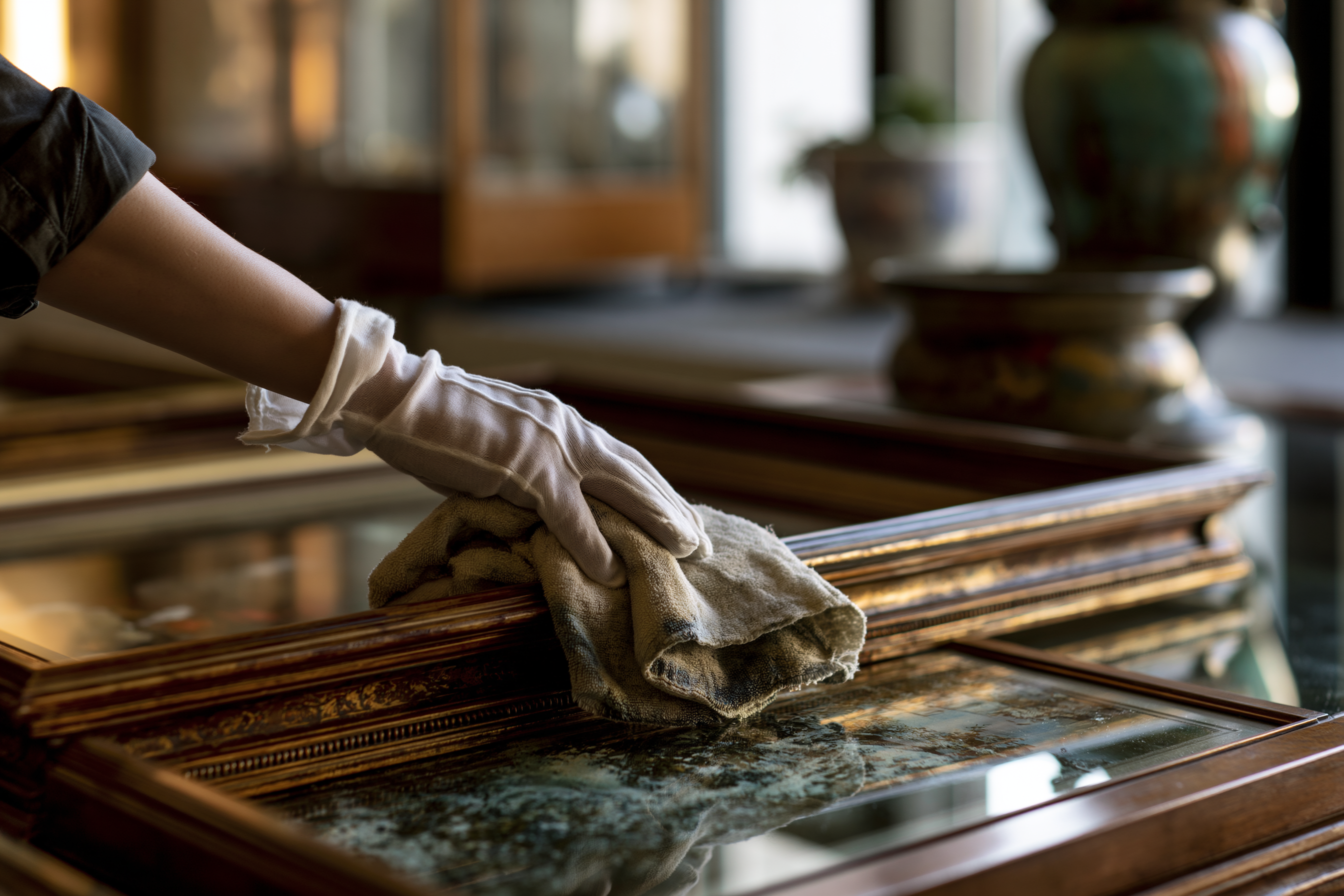
Dust frames regularly with a soft, dry microfibre cloth, and avoid spraying cleaner directly onto the glass or acrylic to prevent damage
-
If using a suitable glass cleaner, spray onto the cloth first, away from the framed print
-
For open-front canvas prints or unglazed framed canvas, use very light dusting with a soft, clean, dry cloth — no scrubbing, water, or damp cloth
If a print has visible marks, mould, or structural damage, contact a professional framer or conservator rather than attempting DIY cleaning that risks further damage.
How to Care for Framed Fine Art Prints
Good framing is one of the best defences for a framed fine art print. Caring for framed prints means caring for the frame too.
-
Acid-free matting is crucial when framing fine art prints to prevent any chemical reactions that might degrade the print over time
-
Professional framing can be helpful for larger prints, special purchases or pieces you want to preserve carefully over time.
-
Avoid shop-bought frames with non-archival materials where possible for valuable original artwork
-
Occasionally check framed prints for signs of moisture, dust build-up or movement inside the frame.
-
Keep framed prints slightly away from cold walls in winter to reduce condensation risk
-
If moisture appears inside the glazing (fogging or speckling), move the piece to a drier room and have it assessed
How to Care for Canvas Prints
Canvas prints and framed canvas wall art are generally robust for everyday interiors but still benefit from gentle handling and thoughtful placement.
-
Hang canvas pieces away from prolonged direct sunlight, above-radiator positions, and very humid rooms
-
Dust lightly with a soft, dry cloth, working gently in one direction
-
Never use wet wipes, sprays, or abrasive pads on canvas wall art
-
Do not lean objects against the canvas surface, as pressure can cause dents or loosen the mount over time
For badly soiled or damaged canvas, seek professional restoration advice rather than experimenting with household cleaners.
How to Store Canvas Prints and Framed Canvas Art
When moving home or rotating your collection, proper storage protects framed canvas artwork.
-
Wrap canvases in clean, soft material — acid-free tissue, bubble wrap with bubbles facing outwards, or a cotton sheet
-
Store upright on edges, not face-down, in a dry, stable space away from damp exterior walls
-
Avoid stacking heavy items on top or wedging canvases tightly behind wood furniture
-
Avoid lofts, sheds, and garages where temperature and humidity fluctuate significantly across seasons
Common Fine Art Print and Canvas Care Mistakes to Avoid
-
Touching the printed surface with bare, oily fingers or wearing cotton gloves incorrectly
-
Sliding prints across rough tabletops or lifting large framed prints by the top edge only
-
Spraying glass cleaner directly onto framed wall art or using wet cloths on unglazed paper prints
-
Using alcohol-based sprays on shatter-resistant acrylic glazing
-
Hanging artwork in strong direct sunlight, above radiators, or in steamy bathrooms
-
Storing rolled prints tightly in tubes for years, encouraging permanent curl
-
Hanging heavy framed pieces on undersized fixings without checking wall type
How to Care for Fine Art Prints and Canvas Wall Art: Quick Checklist
-
Handle by the edges with clean hands or cotton gloves
-
Keep unframed prints in protective sleeves until framing
-
Store prints flat between acid-free tissue in stable environments
-
Avoid direct sunlight and high humidity locations
-
Avoid bathrooms, strong direct sunlight and positions above heat sources.
-
Dust frames and canvas gently with a soft, dry cloth
-
Never spray cleaner directly onto artwork or use harsh chemicals
-
Use protective glazing and acid-free materials when framing
-
Check hanging hardware regularly
-
Inspect prints every 3–6 months for any changes
This simple checklist shows how to care for fine art prints and canvas wall art without specialist equipment.
Final Thoughts: Keeping Your Wall Art Looking Beautiful
Fine art prints require minimal care, but regular maintenance helps keep them looking fresh and vibrant. Thoughtful placement, gentle cleaning, and calm, steady environments are usually enough.
Whether you choose a single framed print over a desk or a quiet gallery wall of landscape art prints, good care helps each piece remain part of your home story for many years. For black and white prints or darker artwork, careful placement and gentle lighting can help preserve tonal depth and contrast over time.
Need Help Caring for Your Atelier Lumin Artwork?
For more help choosing and caring for your artwork, explore our guides to fine art paper and Giclée printing, fine art print vs canvas print, and framed vs unframed fine art prints. You can also browse our fine art prints, framed fine art prints, canvas prints and framed canvas prints to find the format that feels right for your home.
